|
More about polyethylene
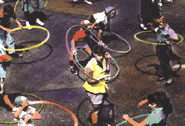
History In 1951 two researchers from the Phillips Petroleum company accidently discovered polypropylene while searching for ways to produce new fuels. They realized that the residue of one of their experiments had interesting specifications. They replaced the propylene with ethylene and polyethylene was created. One of the first consumer goods produced in polyethylene was the hula hoop. Development The last few years there has been a big development in the polyethylene world. The manufacturer of WindRider uses superlinear polyethylene for its products. The result is improvements in impact, stiffness, hardness and heat distortion temperature. Together with a special pigment system, the material will not suffer from the radiation of the sun. Advantages over other materials The polyethylene used today by the manufacturer of the WindRider has many advantages over the use of wood or polyester: Polyethylene is completely recyclableWooden ships are painted or varnished to keep the wood dry. This makes that the wood cannot be used when the boat has lived its life. The use of polyester is one of the biggest problems in our environment. A polyester hull can never be recycled and the material will not dissolve in nature. You can only burn it, resulting in many toxic gasses. Polyethylene however has no negative effect on the environment when burned. You can also melt the material and re-use it in other products. Polyethylene is maintenance free Polyester boats are created from two parts which are laminated together. After a few years of use, these parts can delaminate, the two parts will not bind anymore. Water will come between the layers and the boat will become heavier and heavier. To prevent this, you will need to repaint the boat every few years and make many repairs to parts where the delamination process has started. Wood is a material that expands when it comes in contact with water. That is why wood always needs to be protected by varnish and paint. You will need to sand and paint the wood many times during its lifetime. The polyethylene WindRider hulls are one piece, so no delamination is possible. The color is in the raw material so it will hold its color forever. You will never need to paint a polyethylene boat. Polyethylene is very strong When a polyester boat comes into a collision with something else on the water, the boat will probably break or small cracks will appear. These crack are very serious because the (glass)fibers that give the polyester it strength are then broken. You will need to repair that part of the hull which is a dirty and difficult task. Wood has the same problem as polyester. It also breaks very easily. Polyethylene however can only crack in extreme circumstances. When you run your boat into an obstacle it will be probably not even be damaged. Because the polyethylene is a material that remembers its shape, it will take its original shape if a big dent gets into the boat. About rotational molding Rotational molding is a highly versatile manufacturing option that allows for unlimited design possibilities with the added benefit of low production costs. Process Overview Design Advantages Cost Advantages Other
Advantages Generally lighter in weight than metal or fiberglass, rotomolded plastic
products are easy to handle and less expensive to ship. They’re tough,
long lasting, and maintenance-free. |